Philippine President Ferdinand Marcos Jr. has called on Congress to hold a special session on Wednesday, June 17, purportedly to discuss priority legislation left unattended when the Senate failed to convene before its current recess.

For the first time in his four-year presidency, Marcos is exercising his Constitutional power to call for a special session by Congress. It comes at a very interesting time due to the leadership impasse in the Senate.

With a “super-majority” allied with Marcos, the House of Representatives is expected to comply easily. It will be interesting on how Senate will respond, however.

Why is it difficult for the Philippine Senate to convene?

Last May 11, Senators allied with Vice President Sara Duterte staged a leadership coup d’etat and wrested leadership from members bent on conducting the impeachment trial against her. Senator Ronald dela Rosa emerged from hiding to cast the decisive 13th vote following a comedic dash from arresting officers serving a warrant of arrest by the International Criminal Court. He is a co-conspirator to former Philippine president Rodrigo Duterte’s crimes against humanity trial in The Netherlands.

New Senate President Alan Peter Cayetano is believed to have staged a sham armed attack against the chamber’s premises two days later that allowed dela Rosa to escape with the aid of Senator Robinhood Padilla. This led to cancellation of sessions and important bills and meetings were ignored.

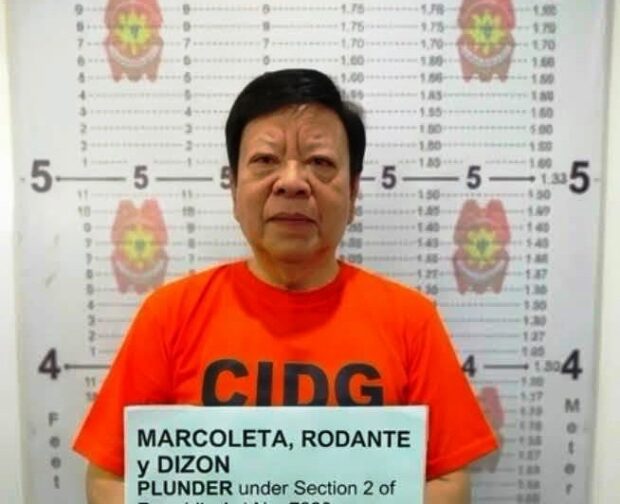
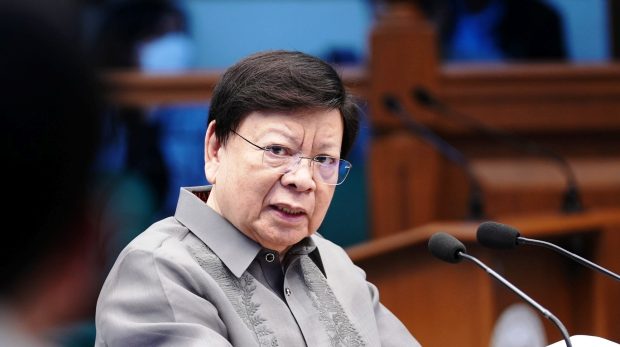
On June 1, Senator Jose “Jinggoy” Estrada was arrested on charges of plunder –his third – putting Cayetano’s slim majority in jeopardy. Cayetano and Senator Rodante Marcoleta then tried to amend Senate rules to allow online participation by the fugitive dela Rosa and the imprisoned Estrada during the impeachment trial, a move opposed by the new minority bloc by walking out.

In subsequent session days, Cayetano refused to convene sessions in an apparent effort to preserve his presidency. On June 3, Senator Francis “Chiz” Escudero, a member of the Cayetano bloc, made a surprise appearance at the plenary hall, tilting the balance of available senators to 12.

Since dela Rosa is in hiding and Estrada is in jail, the 12 present senators on that day declared a quorum and elected Senator Sherwin Gatchalian as new Senate President Pro Tempore and “Acting President.”

Cayetano expectedly called the counter-coup illegal. Technically, he remains as Senate President as the Gatchalian bloc needs 13 votes to oust him altogether.

It is becoming a bigger possibility as the days go by, however.

Who will wield the gavel?

Aside from Escudero, another Cayetano-ally is looking like he is ready to jump ship.

In a message on Sunday, Senator Joel Villanueva said he will be present should there be a special session by the Senate. “In case there will be a special session, we will fulfill our sacred mandate under the Constitution. We will be there,” Villanueva said.

Since the Marcos government and the House of Representatives are recognizing the Gatchalian leadership in the Senate, and in view that the available majority of Senators are allied with the acting president, it is likely that Villanueva is ready to acknowledge the latest change in leadership.

Aside from the pieces of legislation listed in the Marcos proclamation, and with Villanueva’s presence as the 13th senator, it is probable that the senators would take the opportunity to oust Cayetano and formalized Gatchalian’s ascendancy.

How will the Duterte impeachment trial be affected?

Marcos’ proclamation for a special session on Wednesday is a day earlier to the scheduled pre-trial conference between the Senate and the panel of prosecutors of the House of Representatives.

Who among Cayetano and Gatchalian is left standing as Senate President would determine whether the impeachment trial would finally smoothly on July 6 or it may again face postponements.

The Makabayan Coalition, however, said the special session is about the Senate leadership change more than any legislative measure.

Philippine President Ferdinand Marcos Jr. has called on Congress to hold a special session on Wednesday, June 17, purportedly to discuss priority legislation left unattended when the Senate failed to convene before its current recess.

For the first time in his four-year presidency, Marcos is exercising his Constitutional power to call for a special session by Congress. It comes at a very interesting time due to the leadership impasse in the Senate.

With a “super-majority” allied with Marcos, the House of Representatives is expected to comply easily. It will be interesting on how Senate will respond, however.

Why is it difficult for the Philippine Senate to convene?

Last May 11, Senators allied with Vice President Sara Duterte staged a leadership coup d’etat and wrested leadership from members bent on conducting the impeachment trial against her. Senator Ronald dela Rosa emerged from hiding to cast the decisive 13th vote following a comedic dash from arresting officers serving a warrant of arrest by the International Criminal Court. He is a co-conspirator to former Philippine president Rodrigo Duterte’s crimes against humanity trial in The Netherlands.

New Senate President Alan Peter Cayetano is believed to have staged a sham armed attack against the chamber’s premises two days later that allowed dela Rosa to escape with the aid of Senator Robinhood Padilla. This led to cancellation of sessions and important bills and meetings were ignored.

On June 1, Senator Jose “Jinggoy” Estrada was arrested on charges of plunder –his third – putting Cayetano’s slim majority in jeopardy. Cayetano and Senator Rodante Marcoleta then tried to amend Senate rules to allow online participation by the fugitive dela Rosa and the imprisoned Estrada during the impeachment trial, a move opposed by the new minority bloc by walking out.

In subsequent session days, Cayetano refused to convene sessions in an apparent effort to preserve his presidency. On June 3, Senator Francis “Chiz” Escudero, a member of the Cayetano bloc, made a surprise appearance at the plenary hall, tilting the balance of available senators to 12.

Since dela Rosa is in hiding and Estrada is in jail, the 12 present senators on that day declared a quorum and elected Senator Sherwin Gatchalian as new Senate President Pro Tempore and “Acting President.”

Cayetano expectedly called the counter-coup illegal. Technically, he remains as Senate President as the Gatchalian bloc needs 13 votes to oust him altogether.

It is becoming a bigger possibility as the days go by, however.

Who will wield the gavel?

Aside from Escudero, another Cayetano-ally is looking like he is ready to jump ship.

In a message on Sunday, Senator Joel Villanueva said he will be present should there be a special session by the Senate. “In case there will be a special session, we will fulfill our sacred mandate under the Constitution. We will be there,” Villanueva said.

Since the Marcos government and the House of Representatives are recognizing the Gatchalian leadership in the Senate, and in view that the available majority of Senators are allied with the acting president, it is likely that Villanueva is ready to acknowledge the latest change in leadership.

Aside from the pieces of legislation listed in the Marcos proclamation, and with Villanueva’s presence as the 13th senator, it is probable that the senators would take the opportunity to oust Cayetano and formalized Gatchalian’s ascendancy.

How will the Duterte impeachment trial be affected?

Marcos’ proclamation for a special session on Wednesday is a day earlier to the scheduled pre-trial conference between the Senate and the panel of prosecutors of the House of Representatives.

Who among Cayetano and Gatchalian is left standing as Senate President would determine whether the impeachment trial would finally smoothly on July 6 or it may again face postponements.

Philippine President Ferdinand Marcos Jr. has called on Congress to hold a special session on Wednesday, June 17, purportedly to discuss priority legislation left unattended when the Senate failed to convene before its current recess.

For the first time in his four-year presidency, Marcos is exercising his Constitutional power to call for a special session by Congress. It comes at a very interesting time due to the leadership impasse in the Senate.

With a “super-majority” allied with Marcos, the House of Representatives is expected to comply easily. It will be interesting on how Senate will respond, however.

Why is it difficult for the Philippine Senate to convene?

Last May 11, Senators allied with Vice President Sara Duterte staged a leadership coup d’etat and wrested leadership from members bent on conducting the impeachment trial against her. Senator Ronald dela Rosa emerged from hiding to cast the decisive 13th vote following a comedic dash from arresting officers serving a warrant of arrest by the International Criminal Court. He is a co-conspirator to former Philippine president Rodrigo Duterte’s crimes against humanity trial in The Netherlands.

New Senate President Alan Peter Cayetano is believed to have staged a sham armed attack against the chamber’s premises two days later that allowed dela Rosa to escape with the aid of Senator Robinhood Padilla. This led to cancellation of sessions and important bills and meetings were ignored.

On June 1, Senator Jose “Jinggoy” Estrada was arrested on charges of plunder –his third – putting Cayetano’s slim majority in jeopardy. Cayetano and Senator Rodante Marcoleta then tried to amend Senate rules to allow online participation by the fugitive dela Rosa and the imprisoned Estrada during the impeachment trial, a move opposed by the new minority bloc by walking out.

In subsequent session days, Cayetano refused to convene sessions in an apparent effort to preserve his presidency. On June 3, Senator Francis “Chiz” Escudero, a member of the Cayetano bloc, made a surprise appearance at the plenary hall, tilting the balance of available senators to 12.

Since dela Rosa is in hiding and Estrada is in jail, the 12 present senators on that day declared a quorum and elected Senator Sherwin Gatchalian as new Senate President Pro Tempore and “Acting President.”

Cayetano expectedly called the counter-coup illegal. Technically, he remains as Senate President as the Gatchalian bloc needs 13 votes to oust him altogether.

It is becoming a bigger possibility as the days go by, however.

Who will wield the gavel?

Aside from Escudero, another Cayetano-ally is looking like he is ready to jump ship.

In a message on Sunday, Senator Joel Villanueva said he will be present should there be a special session by the Senate. “In case there will be a special session, we will fulfill our sacred mandate under the Constitution. We will be there,” Villanueva said.

Since the Marcos government and the House of Representatives are recognizing the Gatchalian leadership in the Senate, and in view that the available majority of Senators are allied with the acting president, it is likely that Villanueva is ready to acknowledge the latest change in leadership.

Aside from the pieces of legislation listed in the Marcos proclamation, and with Villanueva’s presence as the 13th senator, it is probable that the senators would take the opportunity to oust Cayetano and formalized Gatchalian’s ascendancy.

How will the Duterte impeachment trial be affected?

Marcos’ proclamation for a special session on Wednesday is a day earlier to the scheduled pre-trial conference between the Senate and the panel of prosecutors of the House of Representatives.

Who among Cayetano and Gatchalian is left standing as Senate President would determine whether the impeachment trial would finally smoothly on July 6 or it may again face postponements.

The Makabayan Coalition of progressive lawmakers urged the public to be vigilant on developments in the Senate during the special session.

“Everyone knows this is about the Senate leadership change more than any legislative measure…Any leadership change should not be an occassion to get off the hook senators who face corruption charges,” it said. # (Raymund B. Villanueva)