Critically endangered Irrawaddy dolphins and dugong may be threatened in the oil spill reported on coastal communities in Jordan, capital town of Guimaras province.
Earth Island Institute-Asia Pacific (EII-AP) called on authorities to investigate and identify those responsible for the spill in Barangay Hoskyn last week, warning that delays in doing so may worsen risks to marine species and affected communities.
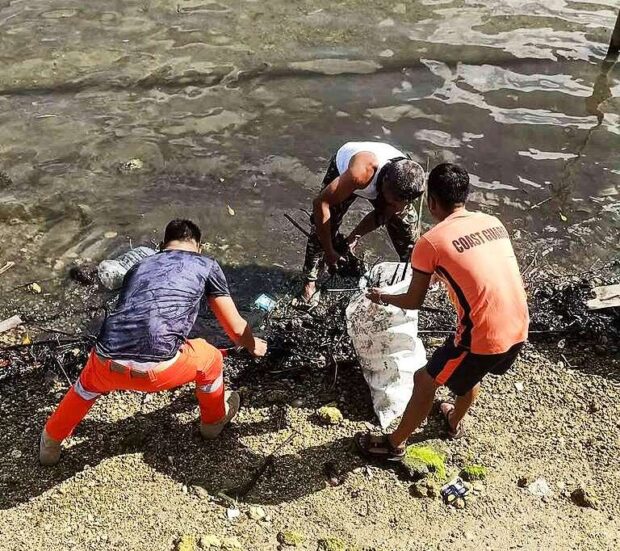
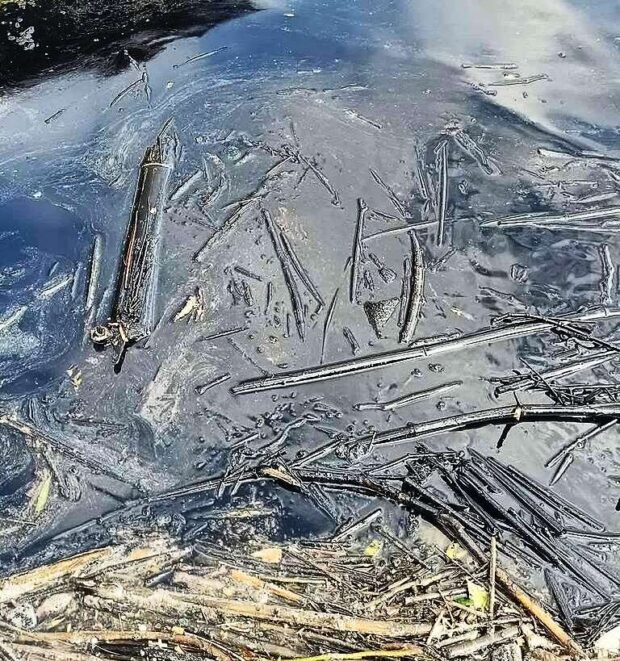
Oil slicks were reported along the shoreline since April 25, prompting the closure of affected areas and raising concerns over potential environmental and health risks to residents.
The source of the spill remains unidentified, fueling concerns on the extent and duration of ecological damage.
EII-AP said the affected waters are part of the Iloilo-Guimaras Strait, a critical marine corridor and one of the few remaining habitats for critically endangered dugongs and Irrawaddy dolphins.
“Both species are already on the brink of extinction in the Philippines. Oil contamination in these waters threatens to disrupt feeding grounds, degrade coastal habitats such as mangroves and seagrass beds, and expose marine mammals to toxic substances that can impair reproduction and survival,” EII-AP said.
Beyond biodiversity loss, it added, the spill places immense pressure on coastal communities.
Guimaras is home to thousands of fisher folk whose livelihoods depend on healthy marine ecosystems. With fishing grounds contaminated and access restricted, families face immediate income loss, food insecurity, and prolonged economic hardship, the group revealed.
This is not just an environmental crisis. It is a crisis of livelihood, food security, and justice, EII regional director Trixie Concepcion said.
“Authorities must immediately investigate and identify the perpetrator behind this spill, ensure full transparency in the findings, and hold all responsible parties liable for the environmental and socio-economic damages caused,” she added.
EII-AP said the failure to promptly determine the source of the spill reflects persistent gaps in maritime enforcement and environmental governance, particularly in high-traffic and ecologically sensitive marine corridors.
Environmental group Greenpeace echoed the demand, calling on state agencies to expedite fact-finding efforts to ensure that responsible actors are identified and held accountable.
Greenpeace Climate Campaigner Patrice Valero said: “We demand the swift containment of the oil spill, with the government leading efforts to protect communities highly vulnerable to environmental incidents such as this. Affected residents and fisher folk must be compensated both for immediate and long-term damages to health, livelihood, and biodiversity after those responsible are identified.”
Irrawaddy dolphins are vanishing in the Philippines, with only small, isolated populations remaining, primarily totaling less than 100 individuals across three key areas.
The most threatened population in the Iloilo-Guimaras Straits, estimated to have declined to roughly six-15 individuals, while about 35 remain in Malampaya Sound, Palawan.
Meanwhile, there are only about 500 dugongs left in the Philippines, mostly in Palawan and Southern Philippines. # (Raymund B. Villanueva)