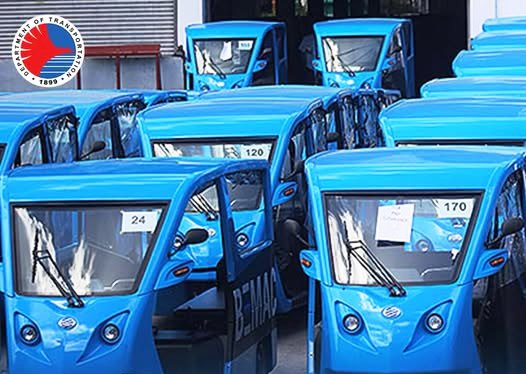
THE PHILIPPINES is looking at about 35,000 electric vehicles (EVs) on its roads at the end of the year, two-thirds of which would be newly-registered. EVs, along with many electronic consumer items such as mobile phones, are making the country a swiftly-growing consumer of nickel alloy-based batteries.
As the world’s second biggest producer of nickel after Indonesia, the Philippine government believes the country’s 520 million metric tons of nickel reserves may be the windfall it badly needs to shore up the economy. Philippine nickel exports to China, Japan, Korea and Indonesia increased 4,000% between 2023 and 2024. Nickel has in fact overtaken gold as the country’s top earner in the mining industry.
An international environmental and human rights group however revealed that nickel mining are making communities where the mineral is extracted suffer in many and profound ways. The group Climate Rights International (CRI), in its report BROKEN PROMISES: Philippines Nickel Mining Causes Rights Abuses and Increases Climate Vulnerability, said the sufferings caused to affected communities undermine the credibility of the world’s growing love affair with EVs and so-called transition to “clean energy.”
In its 106-page report, CRI said the Philippines government, nickel mining companies, and downstream users of nickel, including EV and battery companies, must take immediate steps to prevent and remedy environmental degradation and human rights abuses resulting from nickel extraction.
CRI interviewed 57 residents and workers in Dinagat Island and Surigao del Sur, dubbed the heart of the Philippines’ mining industry where 23 nickel mines operate. The respondents said they suffer increased vulnerability to the climate crisis linked to mining: destruction of fishing and farming livelihoods; severe environmental pollution that threatens drinking water and health; increased rates of food insecurity; new difficulties accessing education; a lack of accountability for harms; and attacks, killings, criminalization, and intimidation of those who speak out, including environmental and human rights defenders.
“Environmental and human rights defenders face attacks, criminalization, and even death for speaking out. The Philippine government needs to prioritize the rights and well-being of frontline mining communities—who bear no responsibility for the climate crisis—by holding companies accountable for abuses and environmental harms,” added CRI researcher Krista Shennumin the report’s launch in Quezon City last Tuesday.
Environmental destruction, livelihood loss
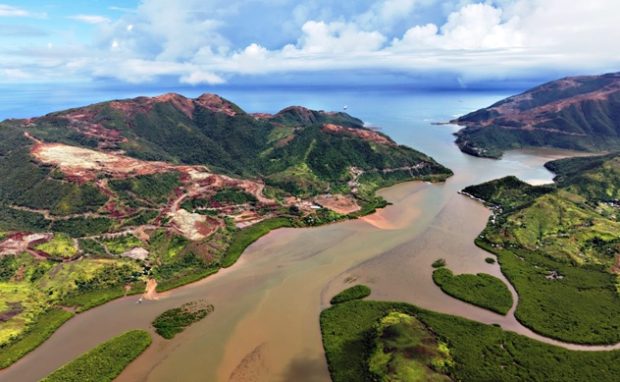
Nickel mining is making local communities more vulnerable to climate impacts, including extreme weather events. It also drives deforestation and the loss of species that provide climate resilience, such as terrestrial and mangrove forests, the report says.
“When deforestation occurs, carbon stored in both plant matter and soil may be released into the atmosphere, turning a carbon sink into a source of emissions,” Shennumin added.
Residents in Tubajon on Dinagat Island in Mindanao described how the loss of forests and mangroves due to mining operations and mining-related pollution has made their communities more exposed to storm surges, high winds, and flooding during extreme weather events like the devastating Super Typhoon Odette in 2021.
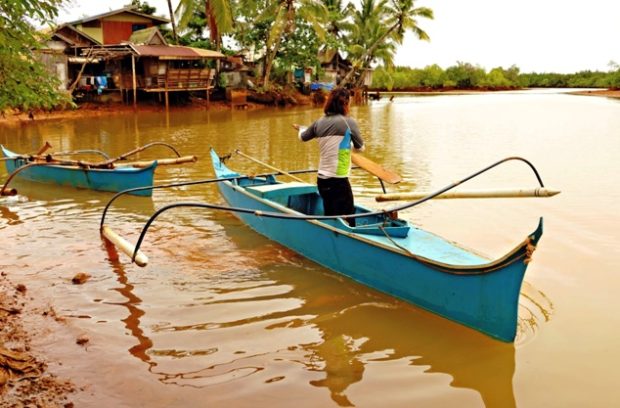
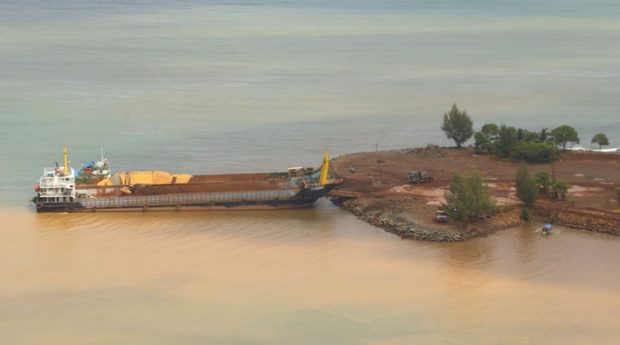
In Dinagat Island and Surigao del Sur, fisherfolk interviewed by Climate Rights International described how water pollution from mining areas has harmed fisheries and made it more difficult, if not impossible, for people to continue fishing.
“For communities that have historically supported themselves through fishing, pollution from nickel mining is posing an existential threat to their way of life,” CRI said.
Mining operations have also contributed to farmland loss, frequent flooding from mining choked rivers, and dust and water pollution. Rice, the most important staple food in the country, is particularly affected because it is grown in lowland areas that are susceptible to flooding and siltation, the report points out.
According to Analiza, a 46-year-old mother of four from Tubajon, Dinagat Island, “It is now hard to feed my family. We are hungry most of the time.”
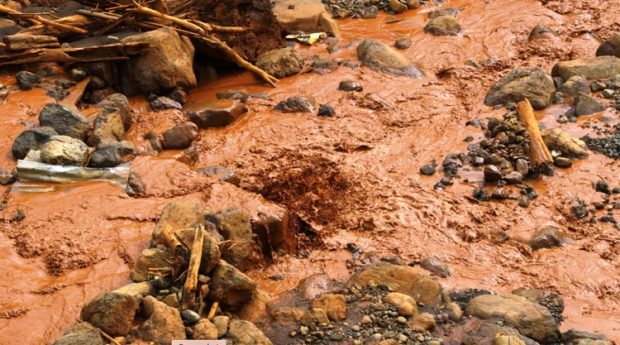
Nickel mining in the Caraga Region is also polluting important water sources that residents depend on for their drinking water. Residents in Dinagat Island described how siltation and runoff from mining operations have polluted their drinking water. Health problems have aso multiplied, including respiratory and skin ailments brought by pollution from nearby mines.
Mining fuels rights abuses
According to international rights group Global Witness, 306 land and environmental defenders were killed or disappeared in the Philippines between 2012 and 2024, making the country the deadliest country in Asia for environmental workers for 12 consecutive years.
The CRI report affirms the finding. According to its respondents, they know of victims whose killings they believe were linked to their anti-mining activities or who had experienced attacks, harassment, or intimidation themselves. Some individuals in the Caraga Region and across the Philippines who have challenged mining companies have faced Strategic Lawsuits Against Public Participation (SLAPPs) that they believe are intended to silence their opposition.
Despite the wealth generated for mining companies by their nickel mining operations, some residents in Dinagat Island reported not receiving adequate compensation for the use of their land, destruction of their crops, or use of their homes and other structures.
“People living in mining communities are facing significant harms from powerful companies who act with almost total impunity,” said Shennum. “As one of the countries most impacted by the climate crisis, the Philippines government should be focused on holding companies accountable and ensuring that the nickel industry isn’t exacerbating the impacts of climate change on local communities.”
Government, Corporate Responsibility
The report also reveals that a general lack of transparency by many mining companies impacts the ability of local governments and communities to actively participate in approving mining projects or monitoring mining impacts.
CRI called on the Philippine government, including the Department of Environment and Natural Resources and its Mines and Geosciences Bureau, to fully enforce and strengthen laws and regulations to minimize the impacts of nickel mining on communities. Many nickel mining companies in the Caraga Region have links to powerful actors in the Philippines, including active and former politicians, politically connected families, and wealthy businesspeople.
“The government should urgently stop the permitting of new mines until the industry meets domestic and international environmental standards, including in the management of mining waste,” CRI said.
Harms to local communities and the environment are being driven by the individual and cumulative activities of these nickel mining projects, CRI added. Nickel companies should take immediate steps to remedy water and air pollution caused by their operations and properly dispose of mine waste to minimize environmental pollution, it said.
Call to EV, battery companies
CRI’s report also calls out to EV and battery companies that source nickel from the Philippines to use their leverage to ensure suppliers end and remedy rights abuses, clean up water and air pollution, and protect the rights of environmental and human rights defenders.
“Their customers are environmentally conscious and will decide to buy from companies with the cleanest record. If EV companies want to position themselves as global leaders in the fight against climate change, they must demand that mining companies in their supply chains respect the rights of communities and end environmentally destructive practices.” # (Raymund B. Villanueva)