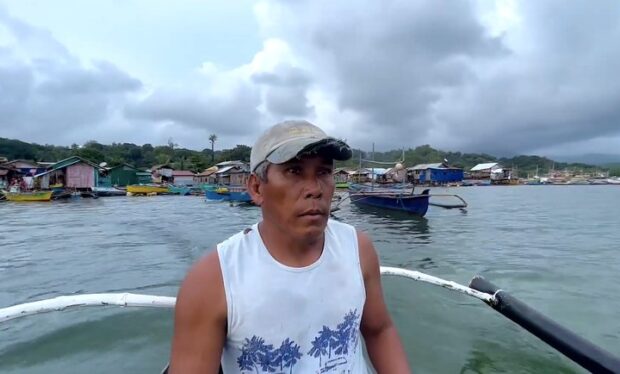
Hundreds of fishing families in what was once a productive marine area remain without livelihood nine months after a disastrous chemical spill in central Philippines. Despite earlier promises, the country’s environment authorities appear powerless to stop a powerful corporation from continuously discharging dangerous ethanol into the sea.
Local fisherman and fisherfolk group leader Ricardo Aguilar said fellow residents still fear harvesting their seaweed because of the scale of destruction their farms suffered. “After the incident last October, Universal Robina Corporation (URC) told us waste is no longer leaking from its factory. But be it in low or high tide, reddish water flows out from their holding lagoon,” Aguilar said.
Aguilar added: “Pity us who depend on the sea for livelihood. People refuse to buy the fish we’ve caught. Our children no longer go to school as a result,” he said.
What went before
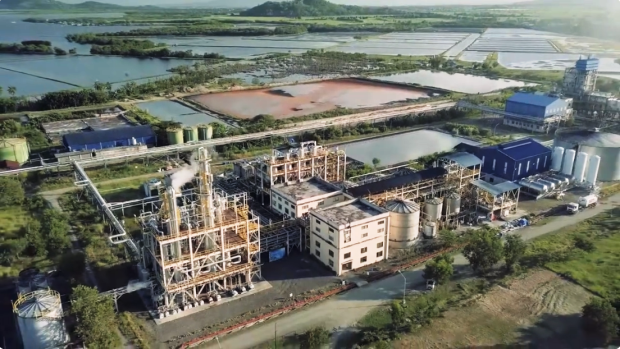
A chemical spill from URC’s distillery plant in Bais City happened last October 24 as its 15-meter dike collapsed, dumping untreated wastewater and harmful chemicals into the sea. The company blamed days of incessant rain following a 6.9 magnitude earthquake last September 30 for the catastrophe.
The plant manufactures fuel-grade ethanol for local fuel companies as well as consumer-grade rubbing alcohol.
The local government of Bais City reported that the livelihood of more than 3,000 fisherfolk is being affected while nearly 900 families are impacted in neighboring Manjuyod. Negros Oriental provincial agriculturist Emmanuel Caduyac reported mass fish kills in aquaculture ponds near the distillery. “All the ponds are already contaminated and we see frequent floating of tilapias,” said Caduyac. He added that 60,000 milkfish fry in ponds around the area likewise died.
Initial estimates that chemicals affected at least 3,000 hectares of rich fishing grounds.
Once a paradise
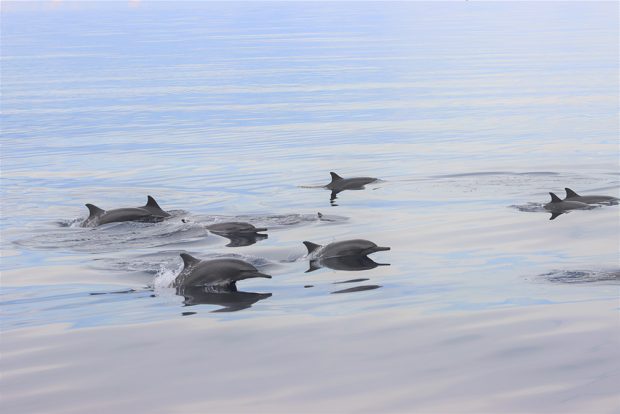
The affected area is part of a marine protected area called the Tañon Strait Protected Seascape (TSPS). “The Tañon Strait is one of the most important marine ecosystems in the Philippines, recognized for its rich biodiversity and as a critical habitat for at least fourteen (14) species of dolphins and whales,” environmental group Earth Island Institute-Asia Pacific said.
Marine scientists from Silliman University, meanwhile, confirmed that Bais Bay continues to experience ecological degradation to this day. The scientists in their latest assessment report shows recently killed corals accounted for up to 69% of the total coral cover in the assessed reef areas.
“If the spill is not halted, the organic matter from the wastewater spill will continue to feed on the algal bloom. These algae and phytoplankton compete for the oxygen in the water that corals, seagrass and fish should be getting. That explains the deterioration and death of these marine habitats and the reported fish kill,” marine scientist Dr. Aileen Maypa said in a presentation.
While red tide cells were detected at low densities, Dr. Maypa emphasized that the continued discharge from the plant warrants heightened surveillance of seafood safety in the affected waters. “Personally, I will be very cautious before I put something in my mouth, coming from Bais Bay,” Maypa added.
No relief for fisherfolk
The Pambansang Lakas ng Kilusang Mamamalakaya ng Pilipinas-Negros Island (Pamalakaya-Negros Island) and the environmental group Hakson Inc. called for accountability from URC for the spill on one of the world’s most biodiverse marine ecosystems.
“It is the predictable outcome of a development model that prioritizes ethanol export and private gain over ecological safety,” Hakson Inc. stated. Pamalakaya added that the disaster was the result of the company’s negligence and disrespect for the environment and the people.
Pamalakaya-Negros Island have demanded that URC to pay for Bais Bay’s full rehabilitation and compensate fisherfolk for their lost income.
The government has yet to reveal results of investigations it supposedly conducted or the results of at least two lawsuits it reportedly filed against the company. URC is owned by the powerful Gokongwei family, a member, Frederick Go is a key economic adviser of President Ferdinand Marcos Jr. # (Raymund B. Villanueva)