At least six of the 19 casualties in the April 19 incident in Toboso, Negros Occidental were civilians, a national fact-finding and solidarity mission (NFSM) reported.
More than a hundred human rights workers, Makabayan lawmakers, activists, church workers, youth leaders, and journalists said casualties UP students Alyssa Alano and Maureen Keil Santuyo, peasant rights advocate Errol Wendel, journalist RJ Ledesma, and Americans Kai Dana Rene-Sorem and Lyle Prijoles were non-combatants.
Sitios Sinugmawan and Plaringding residents told mission participants that the six were indeed civilians as they have talked to them personally regarding agrarian issues in their areas. They confirmed that they were not carrying any kind of firearm at any point and time, the mission, conducted last May 13 and 14, revealed.
In a press briefing, the NFSM said their findings directly contradicted government’s narrative that all those killed were combatants, adding Philippine military was also liable for “terrorizing” farming communities in Negros Occidental following the April 19 incident.
“[The] soldiers committed multiple violations against civilians, including the forcible use of civilian homes as military encampment, harassment and intimidation of residents in the name of counter-insurgency operations, restriction on farming activities, indiscriminate firing near homes, illegal detention, and even the alleged use of a farmer as a human shield,” rights group Karapatan said.
READ: 10 NPA fighters, 9 civilians: CPP reveals list of Toboso casualties
The mission itself experienced various forms of harassment during the conduct of the investigation, the group revealed, reporting being tailed by a “suspicious individual on a motorcycle” who was seen taking photographs of the convoy’s vehicles.
“During a courtesy call at the Barangay Hall of Barangay Salamanca, around five unidentified individuals were also observed openly photographing the delegates, raising serious concerns over surveillance and intimidation aimed at obstructing independent human rights documentation efforts,” it added.

Residents likewise reported the presence of the 79th Infantry Battalion of the Philippine Army in the area days prior to the mission.
Meanwhile, Sadie Stone, an American pastor and member of the International Coalition for Human Rights in the Philippines (ICHRP), was disallowed entry in the Philippines for being blacklisted allegedly for participating in “political activities” in 2016. Stone was supposed to join the NFSM.
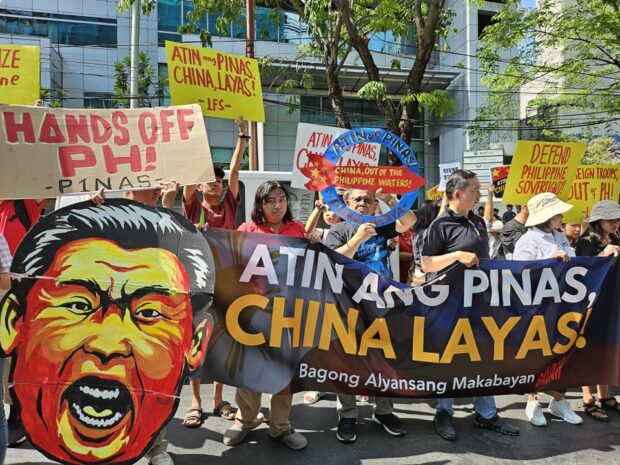
The International Coalition for Human Rights in the Philippines (ICHRP) strongly supported the mission’s findings, calling the incident a “massacre” and not a “legitimate encounter” as the military reported. “ICHRP is deeply disturbed by the findings of the mission amid new information about the massacred individuals,” it said in a statement.
“We salute the delegation’s determination to get the truth about this terrible massacre and call on the international community to study their findings. We want governments to review their political and military relations with the Marcos Jr. government based on this information,” ICHRP president Peter Murphy said.
“Negros was already the massacre capital of the Philippines and this case only underlines the reality that violations of International Humanitarian Law and human rights are rampant in the Philippines today,” Murphy added.
The Commission on Human Rights has yet to release its report on the incident. # (Raymund B. Villanueva)