Progressive party Bayan Muna warned that the Department of Agriculture’s (DA) planned declaration of a “food security emergency” may be another pretext by the Ferdinand Marcos Jr. government to increase rice importation that will further harm local farmers.
Former Bayan Muna representative Ferdinand Gaite said further study is needed in the DA’s proposal, including making the DA and Marcos accountable for the so-called emergency.
“This may just be used to facilitate rice importation under the Rice Liberalization Law that is failing in addressing the real reasons for the crisis,” Gaite warned.
Aside from failed policies, the former legislator emphasized that Marcos Jr. and the DA failed to stop unchecked hoarding and rampant smuggling.
Marcos Jr. headed the DA for nearly two year before appointing fishing magnate Francisco Tiu-Laurel as agriculture secretary.
“President Marcos Jr.’s empty promise of P20 per kilo rice has only led to a series of band-aid solutions that worsened food inflation. Now they want to declare an emergency that could open the floodgates to more imports. What happened to Marcos’ promises of food security and self-sufficiency?” Gaite asked.
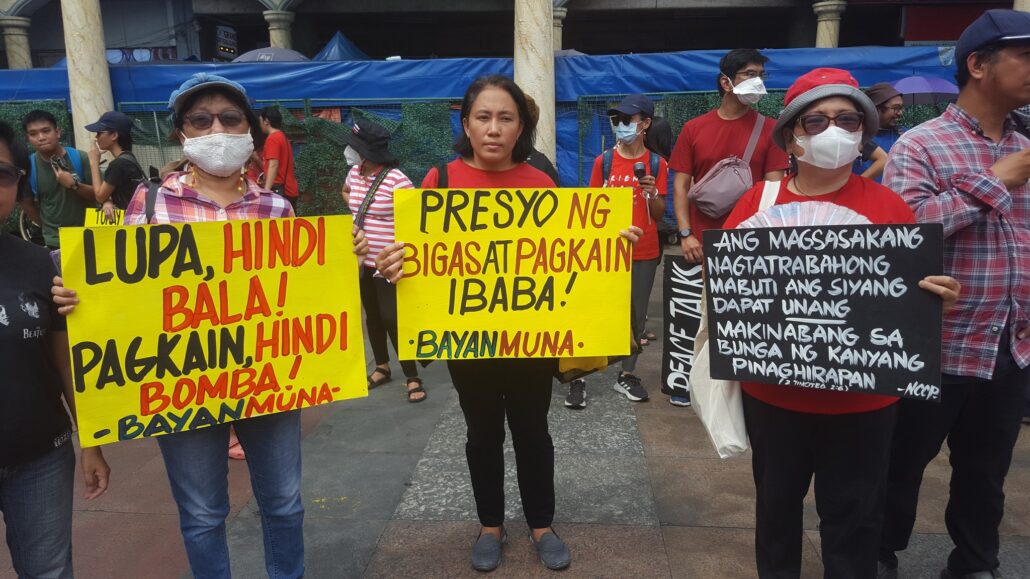
“The Marcos administration must be held accountable for this crisis. Emergency powers to import is not a solution. The solution is to strengthen local agriculture and protect our farmers,” Gaite said.
Farmers reject rice deal with Pakistan
Meanwhile, the Kilusang Magbubukid ng Pilipinas (KMP) denounced DA’s plan to finalize a rice importation deal with Pakistan, which would see the country importing at least one million metric tons (MT) of milled rice annually.
“This proposal, which is regarded as a means to stabilize rice supply and prices, only perpetuates the failed policies of import dependency and undermines Filipino farmers who produce the nation’s staple crop,” KMP chairperson Danilo Ramos said.
KMP said that reliance on rice importation has consistently proven to be a band-aid solution, failing to address the roots of rice price volatility.
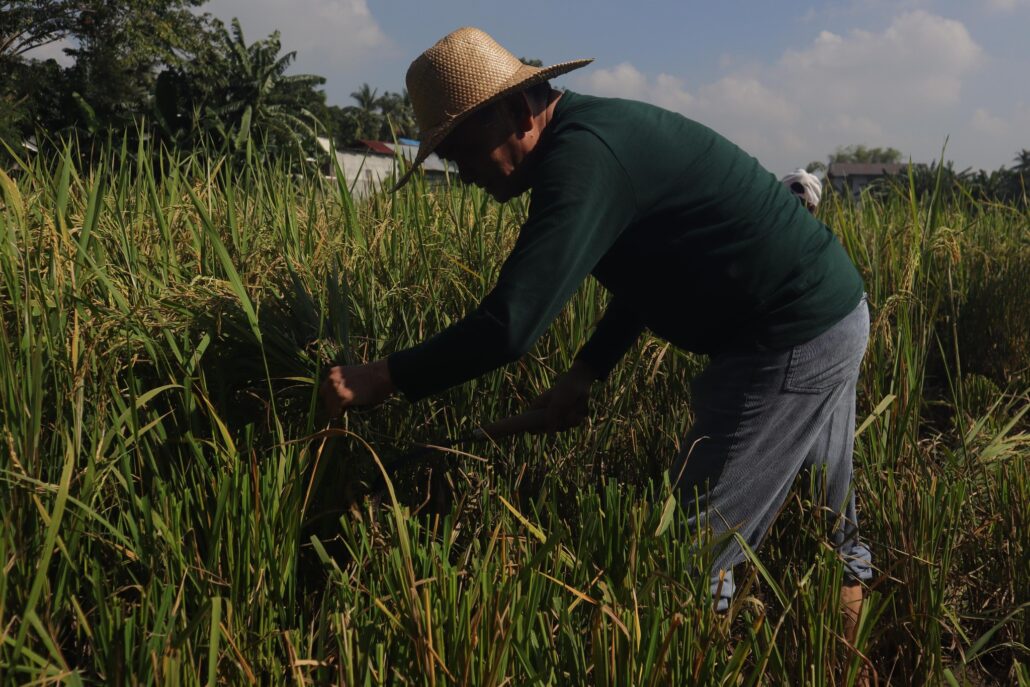
Since the passage of the Rice Liberalization Law in 2019, the Philippines has become the world’s top rice importer, with local farmers suffering from depressed farmgate prices and expensive production costs.
Retail prices of rice range from P40 to P60 per kilo despite repeated attempts to manage inflation through reduced tariffs and import liberalization, such as Marcos’ Executive Order No. 62 that slashed rice import tariffs to 15% but has so far failed to lower retail prices.
Ramos said increased reliance on rice importation will worsen the country’s food supply problems.
“The proposed Memorandum of Understanding (MOU) with Pakistan deepens this flawed trajectory, further sidelining Filipino rice farmers and sacrificing local production for the sake of cheap, imported rice,” Ramos said.
Instead of empowering local farmers with better access to inputs, irrigation, and market support, the government prioritizes foreign exporters,” Ramos, also Makabayan coalition senate aspirant, said.
Ramos added that instead of chasing “illusory benefits” from import deals, the government must focus on revitalizing local rice production.
This includes increasing funding for production subsidies, accelerated irrigation, and post-harvest facilities; implementing mechanisms that ensure farmers receive just compensation; restoring the National Food Authority’s role in price stabilization and procurement; and ensuring the government directly purchases palay at competitive prices to protect farmers from price manipulation by traders.
“The DA’s obsession with rice importation also disregards the long-term risks posed by climate change and global market volatility, making reliance on foreign supply inherently problematic,” Ramos also revealed.
He said the rice import deal with Pakistan represents not only poor economic policy but also a betrayal of Filipino rice farmers who continue to toil under unjust conditions.
“For a nation where agriculture is central to the livelihood of millions, the government’s persistent neglect of local farmers is a grave injustice,” the Bulacan rice farmer said.
He added that Pakistan’s so-called “competitive prices” come at the expense of local producers, who cannot compete with heavily subsidized imports.
KMP said the Rice Liberalization Law should be repealed and additional rice imports stopped.
The group again called for “genuine agrarian reform” while safeguarding agricultural land for food production.
“True food security cannot be attained through imports. It requires comprehensive support for local agriculture to ensure the Philippines achieves genuine food security,” KMP said. # (Raymund B. Villanueva)