Filipinos live under America’s shadow and blindly regard the United States as a ‘Big Brother.’ — Renato Constantino
By Prof. Sarah Raymundo
The Marcos Jr. administration is executing a coordinated strategy that further subordinates Philippine sovereignty and independent development to US interests. This strategy is starkly highlighted by the recent signing of Republic Act No. 12252, which amends the Investors’’Lease Act to allow foreign entities to lease private lands for up to 99 years. This isn’t an isolated economic concession; it runs in lockstep with the accelerating expansion of US military facilities across the archipelago, aggressively pushed under the Enhanced Defense Cooperation Agreement (EDCA). While each initiative is individually problematic, their synergy reveals a cohesive neo-colonial framework designed to embed long-term U.S. economic control and military dominance, thereby shackling the Philippines’ independent future.
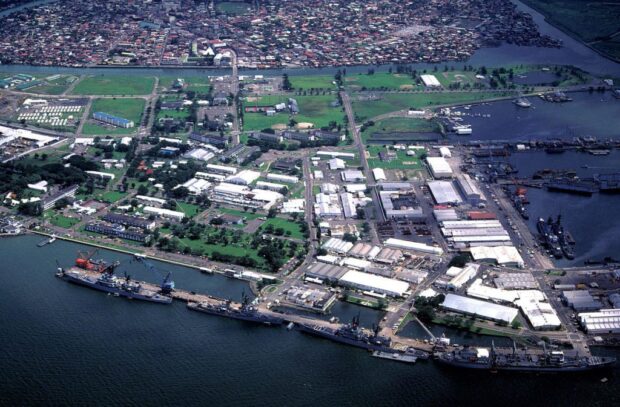
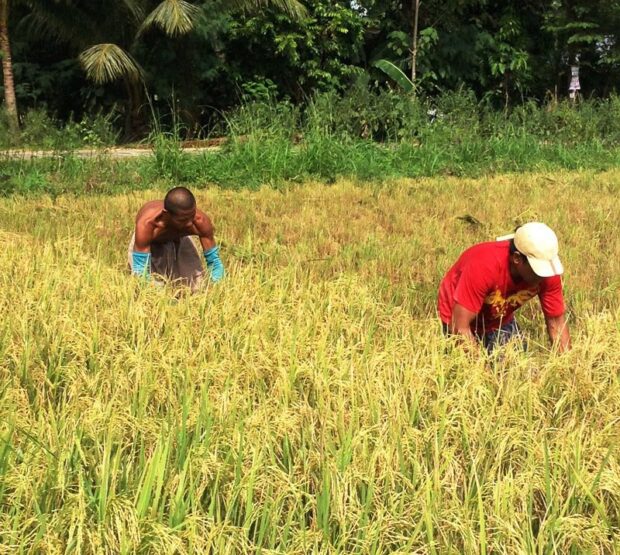
The militant peasant movement Kilusang Magbubukid ng Pilipinas (KMP) has relentlessly exposed and opposed state policies that enable foreign corporations, wielding immense capital, to seize control over the Philippines’ most valuable land. Far from mere policy missteps, these actions are manifestations of a global structure of unequal exchange that irrevocably positions the Philippines as a mere landlord to international capital, trading its finite, sovereign territory for the precarious promise of foreign investment. Such dynamics are already eroding agricultural land, and this legislation will only intensify the pressure to convert fertile farms into industrial or commercial zones for foreign lessees, directly undermining food sovereignty and agrarian reform. This echoes the long-term foreign domination seen in the historical 1947 Military Bases Agreement, signaling not a new threat but a dangerous escalation of an existing one.
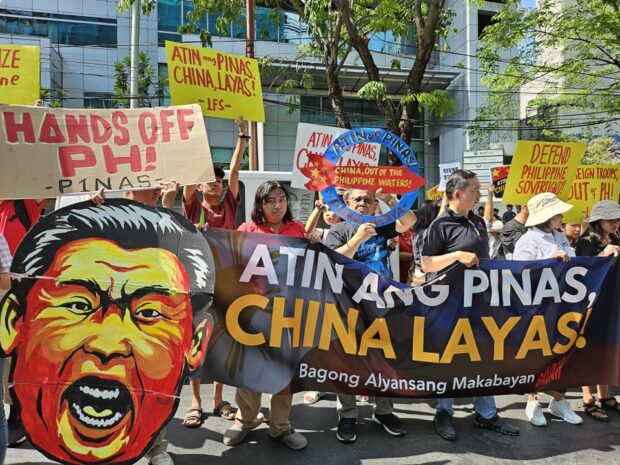
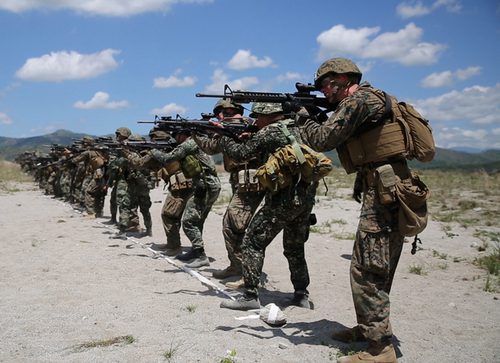
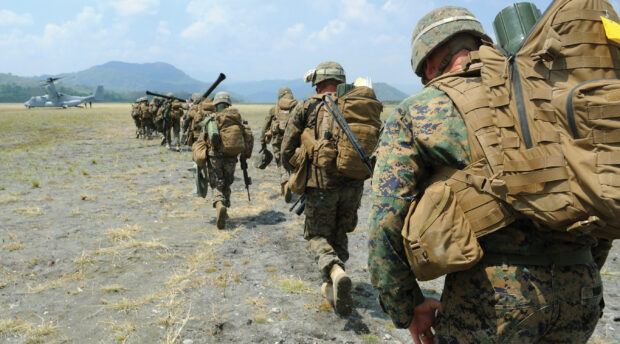
Concurrently, the military pillar of this arrangement is being bolstered through the proliferation of new EDCA sites. These facilities, far from serving national defense, “function as forward operating bases for U.S. power projection, making the Philippines a frontline target in a potential US-China military conflict,” as Amira Lidasan, leader of the Moro-Christian People’s Alliance (MCPA), highlighted in her address at the June 28 Global Action for Iran and Palestine. Indeed, this represents a clear policy of sacrificing Philippine security interests for the strategic agenda of an imperialist power—a hallmark of neo-colonial arrangements. Further codifying this subordination, the Visiting Forces Agreement (VFA) establishes zones of impunity by granting U.S. personnel significant immunity from Philippine law, a stark testament to diminished national sovereignty.
Far from accidental, the interlinking of these economic and military policies forms a calculated system of neo-colonial control. This control manifests in two primary ways: First, it actively fosters a bourgeois comprador class—a domestic ruling elite of landowners and officials who profit from foreign leases and military contracts at the expense of the vast majority of Filipinos. The comprador class whose very existence hinges on the unequal status quo is also a zealous internal lobby and legislator, fiercely championing continued subservience to US imperialist interests. Second, this system operates on a logic of extraction and waste absorption. The economic model under RA 12252 facilitates the extraction of value from land, resources, and labor, while the military presence under EDCA ensures the Philippines absorbs the social and ecological waste, social disruption, and violence generated by US global militarism.
Ultimately, this twin strategy actively blocks any path toward independent development. A sovereign nation would utilize its land for food sovereignty, agrarian reform, and national industrialization while pursuing a foreign policy of peace and non-alignment. The Marcos Jr. regime’s policies do the exact opposite. By prioritizing foreign control over land and explicitly choosing military entanglement over diplomatic autonomy, the administration is not charting a course for independent development. Instead, these policies are comprehensively maintaining and profoundly entrenching the Philippines’ neo-colonial status, ensuring that our nation remains a dependent periphery in the US imperial system, our economy shackled by unequal exchange and our territory mortgaged for a war that is not our own. With chilling clarity, the Marcos regime stands for vassalage against sovereignty. #