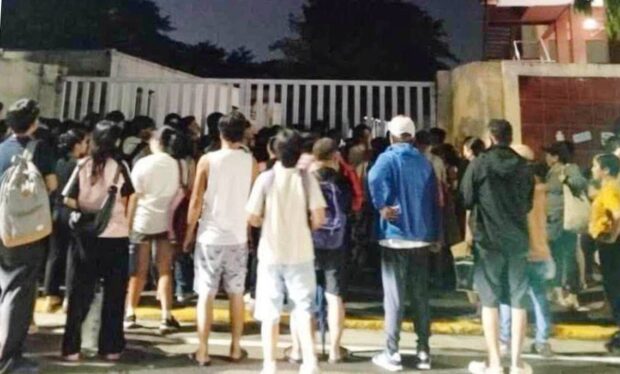
There are less jeepneys and other kinds of vehicles on Manila’s roads today, the fourth day since double-digit oil price increases were imposed.
After double digit price hikes earlier this week, there is noticeably less traffic on the usually grid-locked streets of the metropolis, an undeniable result of the US-Israel instigated war in West Asia, the source of majority of the country’s petroleum requirements.
Industry sources, however, say the worst is yet to come, with estimated hikes of up to P19.30 to P22.30 per liter of diesel next Tuesday.
Transport group Pasang Masda said many drivers have chosen to stop plying their routes as diesel prices per liter have hit more than P90 since Tuesday, the second week price hikes were imposed since the war started.
Pasang Masda president Obet Martin said that jeepney drivers are looking for work as construction workers or ambulant vendors until diesel prices go back to December 2025 levels of about P50/liter.
Manibela, an organization of public transport drivers and owners, confirmed the statement, saying more and more of its members, have decided suspending operations as even buying diesel from retailers have become difficult.
The country’s militant transport group Piston said it is temporarily abandoning its stance of no fare hikes and now demands an emergency increase of P5.0 increase in base fares until diesel prices are substantially reduced.
Ineffectual government response
In anticipation of less public transportation availability in an already problematic commuting situation, the Philippine government imposed a four-day work week on select agencies starting Monday.
Several state universities have also adopted the tactic to spare their students and staff from intensified commuting problems.
Filipinos however belittled President Ferdinand Marcos Jr.’s initial solution, saying the shortened work week will only benefit a small percentage of the commuting public.
Several lawmakers said it is time the Philippine government makes the sacrifice of suspending excise and value-added taxes on petroleum products that could counter the increases caused by the US-Israel war against Iran.
The Makabayan Coalition of legislators said the Marcos government must sacrifice its projected income from both taxes in order to prevent runaway inflation brought by the crisis in oil prices.
The Department of Energy and independent oil produces meanwhile explained that even if Marcos would approve emergency powers being offered by Congress to suspend oil taxes, it could not be immediately implemented.
They said the existing inventory of oil products whose excise taxes were already paid must first be exhausted before suspensions may take effect.
It could take weeks, they added. # (Raymund B. Villanueva)