Gazan refugees struggle to feel Ramadan in the Philippines
“Yaetanun bibaedihim albaed” (Looking out for each other) is a way of life for several Palestinian families who are spending their third Ramadan in the predominantly Christian Philippines.
Gazan families share halal food among each during Iftar in a community in Cavite province that they now call home after fleeing Gaza during the October 2023 Israeli invasion.
Khalil Shaat, his wife Asia, and their two children, fled Gaza at the height of the Israeli aggression and became refugees in his mother’s homeland. “We have slowly adapted to the way of life here in the Philippines, however hard it had been for us in our first few months,” the young father of 33 told Khaleej Times.
Unlike their first Ramadan in 2024, the Shaats now know where to buy halal food items for when they break fast at Maghrib, sharing food with other Palestinian refugee families who live nearby. They also know the nearest Mosques to gather, especially when Eid al Fitr comes on Friday.
“The Philippines is our home now. There is nothing in Gaza to go back to,” Khalil said.
‘We have to protect our kids’
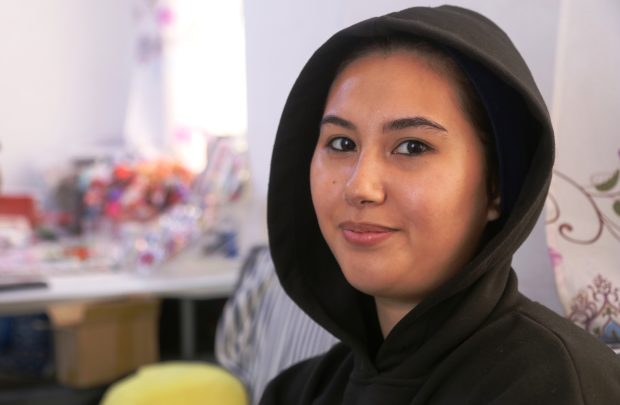
Laila Akkila is a young mother of 24 with four young children. Together with her husband, they also fled Gaza in October 2023 and foresee no chance of returning to their old lives in Palestine.
“We lost everything. We lost our spacious house, there was no electricity, no water when we fled Gaza. Everything was destroyed by the Israelis,” she lamented.
Laila recalled that her young family had to seek refuge in an abandoned school building for two weeks. “It was cold. We had no clean clothes. We had nothing but our passports with us.”
Like Khalil, Laila’s mother is Filipina. Their Philippine passports allowed them to fly to the Southeast Asian country and into an uncertain future. All that mattered to them was survival and keeping their children safe from Israeli bullets.
It was a culture shock for the Akkilas and the Shaats the moment they landed at Manila’s airport. Suddenly, all they heard was an unknown language. They also had nowhere to go.
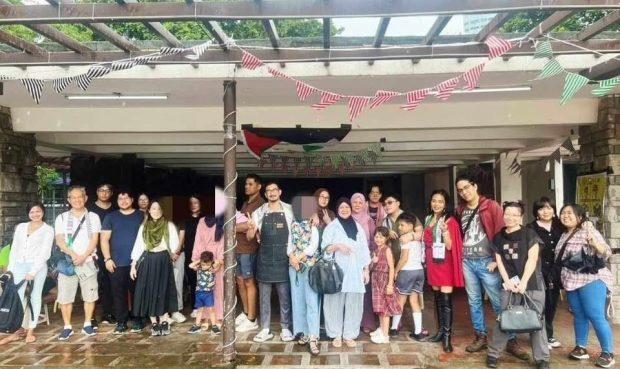
A group of Filipino activists welcomed and took them to a compound in Dasmarinas City where they stayed at a Filipino doctor’s clinic for two months. After two months in the clinic, they were given separate quarters around the compound as more refugees joined them. After six months in the compound, the doctor helped them look for houses of their own.
“It was hard living on our own. It took us a long time to find out where to buy Halal food,” Khalil revealed. It was even harder for them to learn a new language and how to get around a city that has commuting problems. “The traffic here is always bad,” Khalil laughingly said.
“It was hard for the children as well,” he added. “We need air-conditioning because they could not sleep because of the summer heat.”
Their Filipino neighbors had been kind, they said. “When we told them our stories, they welcomed us in this neighborhood. Not all in the Philippines are pro-Israel,” Khalil said.
But the hardest of all, they said, is not knowing what happened to loved ones they left behind in Gaza. “We have had no news from them at all,” Khalil said. “We are alive. But are they still back home?”
There are 10 other Gazan refugee families crammed into six others homes near the Shaats and Akkilas. They call themselves Gazans in Cavite. Together, they are each other’s support group, helping celebrate Ramadan under very different circumstances. But they need help. Living on their own poses formidable challenges to the families.
Biggest challenge
Both Khalil and Asin were certified public accountants in Palestine while Laila’s husband was a chef. But they could not be employed as such in the Philippines because their papers had been lost during the Israeli siege.
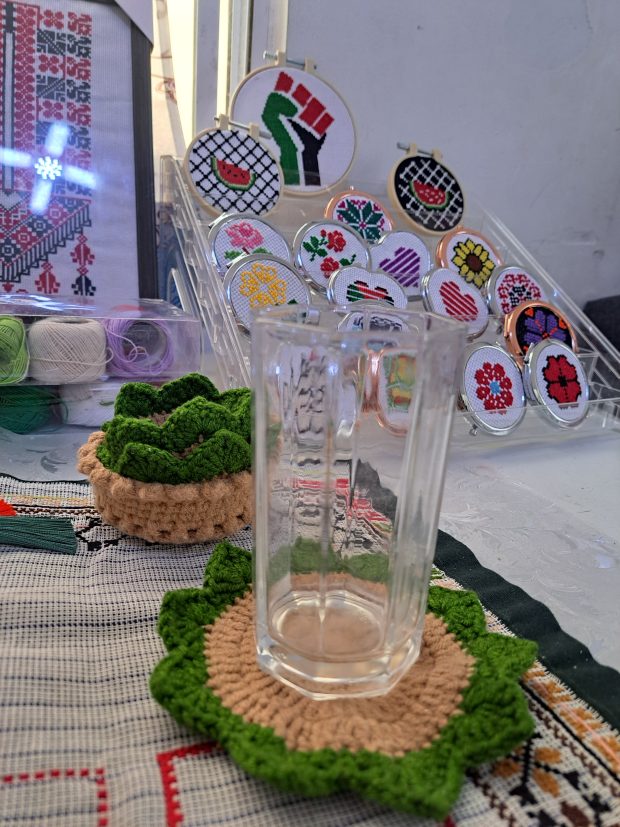
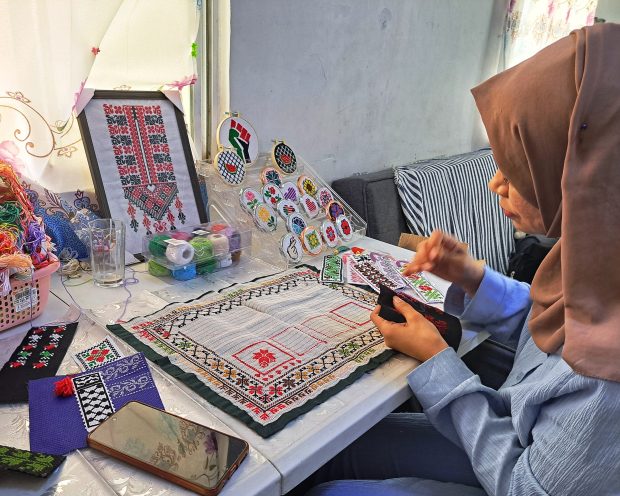
Both families now resort to small start-ups to earn a living. Asian and Laila have gone back to the art of tatreez, traditional art of embroidery practiced in Palestine and Palestinian diaspora communities.
Both artists produce crocheted earrings, bookmarkers, glass coasters, table mats, bracelets, ref magnets featuring traditional designs, even resistance symbols such as clenched fists and watermelons that have the colors of the Palestinian flag.
These are sold on their Facebook and Instagram pages and in weekend bazaars.
= = = = = = =
You may contact the following for Palestinian tatreez orders: LAILA STORE and TATRIZ ASIA.
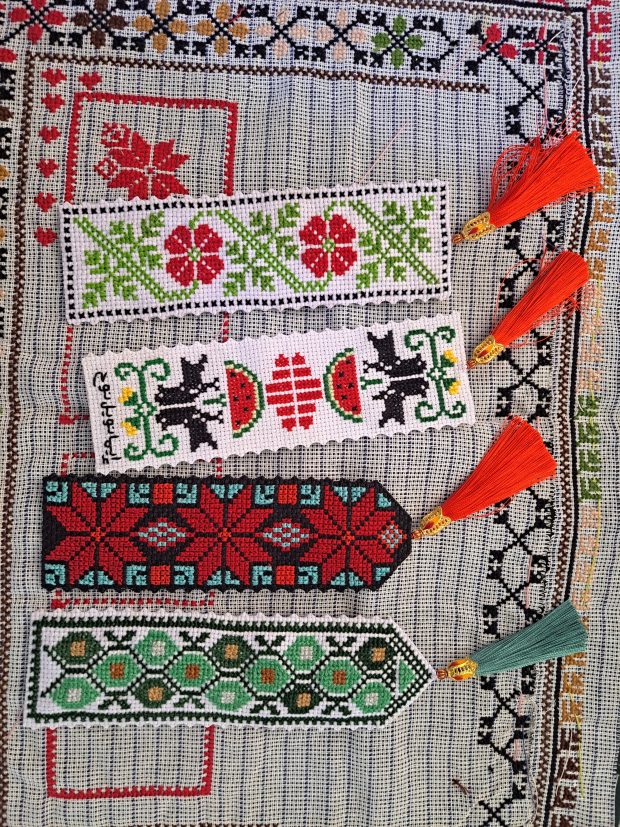
Both may also be invited to bazaars and flea markets.
For special Gazan Candles, contact GAZA CANDLE.

The other families meanwhile have resorted to cooking Palestinian food that they offer to neighbours or sell online, such as RETAL.GAZA that also vends pastries online.

= = = = = = =
They admit, however, that they are not making enough. They need more orders or regular employment to make it.
Khalil said they have commemorated this year’s Ramadan as best they could, virtually isolated and poor in a strange country where none of their neighbors are Muslims.
“Ramadan had been different for us these past three years. We long to feel Ramadan as we did back in Gaza,” Khalil sighed.
Still, Khalil said they are praying for a better future for their children in their adoptive country.
“We wish we could provide for them good education and health. We wish they would make new friends. We wish they would grow up as good Muslims in their new country,” Khalil concluded. #