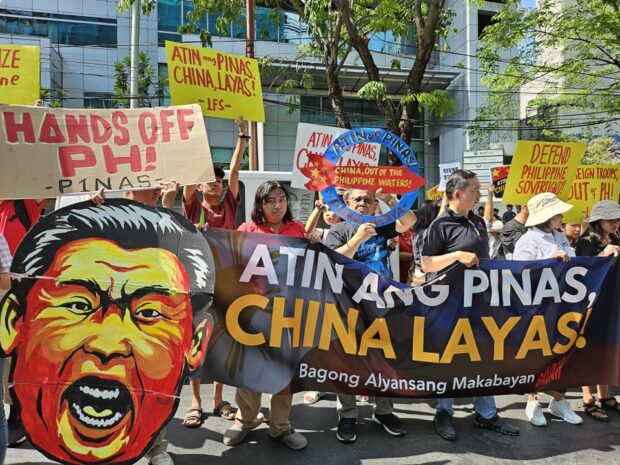
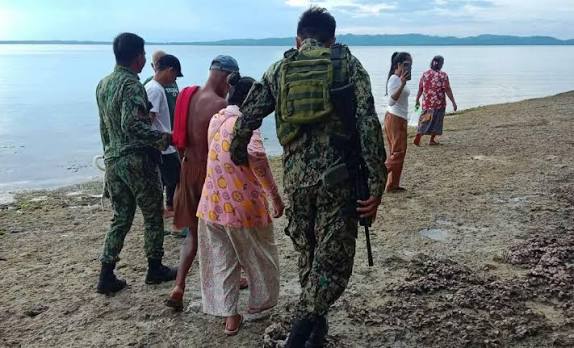
Environmental plunder is linked to militarization and government corruption in the Philippines, an international solidarity mission revealed at the conclusion of its five-day probe in various communities in Luzon and the Visayas.
The International Learning and Solidarity Mission (ILSM), organized by Peoples’ Rising for Climate Justice, said it documented land grabbing, forced displacement and environmental destruction tied to both government projects and private corporations.
Most affected, the mission said are the already marginalized farmers’, fisherfolk and Indigenous peoples’ communities who also suffer intense militarization and human rights abuses.
The mission – participated in by local and international climate justice advocates – conducted investigations in Rizal, Occidental Mindoro, Leyte, and Negros Occidental provinces.
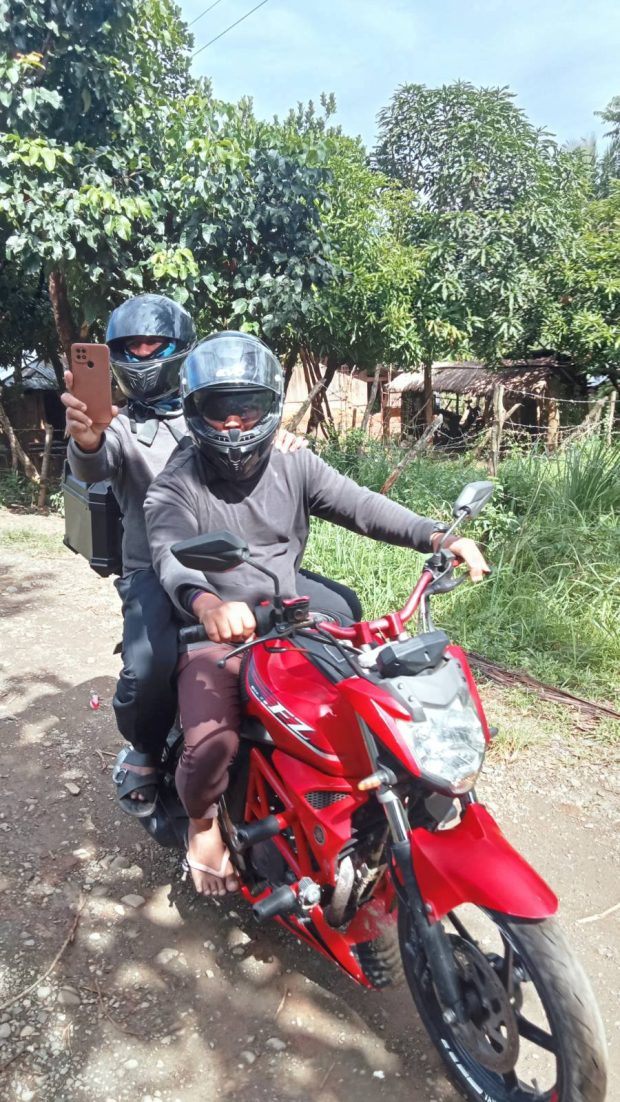
The mission also reported of being hounded by various forms of harassment from the military, police and government agencies.
Negros Occidental
The delegation investigated the 6,652-hectare palm oil expansion of Human Aggregates Philippines, Inc. (HAPI) owned by the ultra-rich Consunji family.
The project, operating under a Department of Environment and Natural Resources forest management agreement, has displaced more than 350 small farmers and Indigenous residents, clearing forests and polluting rivers, the mission revealed.
Workers told the participants they earn as little as ₱480 a day under unsafe and heavily-surveilled conditions.
The mission urged the cancellation of HAPI’s Integrated Forest Management Agreement and the withdrawal of military units deployed in the area.
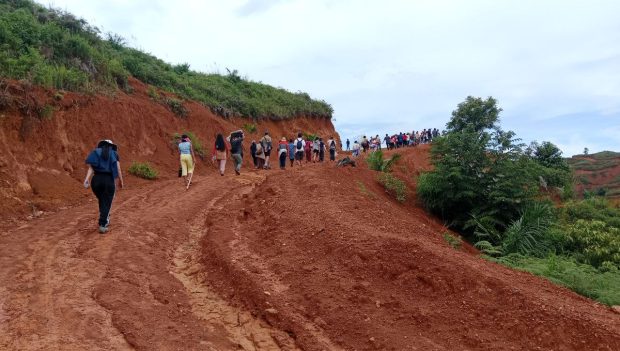
“Since 2021, HAPI Inc. has seized over 6,000 ha of indigenous land, initially banning food and sugarcane crops, and in four years has already cleared 4,000 hectares, an average of nearly three hectares per day” said Ariel Casilao of Unyon ng mga Manggagawa sa Agrikultura.
“Farmers report dozens of bulldozers flattening fields within hours, underscoring the massive, cold‑hearted corporate push behind the Candoni oil‑palm plantation,” he said in his group’s report in a press briefing on Thursday.
Leyte
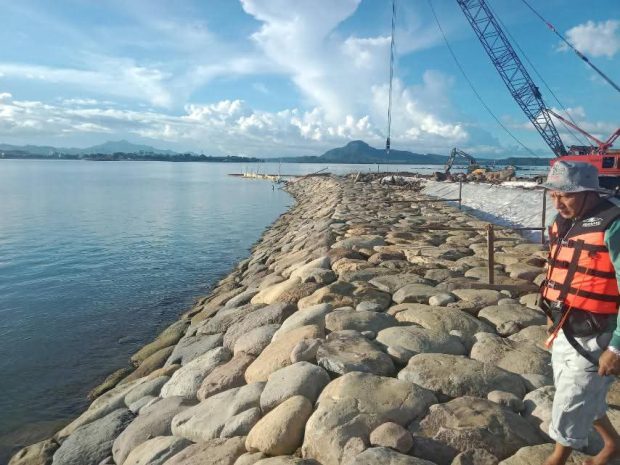
The mission contingent to Eastern Visayas flagged the ₱1.2-billion Cancabato Bay Causeway project awarded to Sunwest Construction and Development Corp., a firm linked to former Ako Bikol Rep. Zaldy Co
The company reportedly received over ₱6 billion in public works contracts under the Romualdez-controlled districts in the province.
Local residents complained that the project has already damaged marine ecosystems in the bay, the mission said.
“Instead of building a massively expensive causeway and land reclamation that is detrimental for the fishing community and dangerous in relation to typhoons, the mangroves should be cherished and restored for the important role that they play.” Gijs of the Friends of the Filipino People in Struggle said in their report.
“With an increase in extreme weather and typhoons, this natural protection is more important than ever,” the mission added.
Occidental Mindoro
Mission delegates reported police and military surveillance while visiting the Mangyan-Iraya community of Sitio Malatabako, who face displacement due to land claims by Pieceland Corp.
They said residents said a food blockade is imposed by the company that has caused hunger and even the death of one Indigenous woman.
Pieceland also filed criminal cases against residents ironically under the Indigenous Peoples’ Rights Act (IPRA), a law purported to protect Indigenous peoples.
“We came not as outsiders but as witnesses to see their hardships and stand beside them in their struggle for land, justice, and dignity,” said Damien Connor of Kalikasan Solidarity Organization.
“Seeing the Mangyan-Iraya be deprived of their rights fills me with anger. Even in the face of fear and harassment, these communities continue to burn bright with courage and hope,” he added.
Rizal
The mission said it documented ongoing displacement of Dumagat-Remontado communities caused by the Kaliwa Dam project.
Financed by China Energy Engineering Corp., the dam is feared to flood 113 hectares of forest and affect more than 1,400 families by its projected completion in 2027.
“The very law [IPRA] that’s supposed to protect the community of the Dumagat-Remontado is being used against them. The situation that the indigenous peoples face in the Philippines is not so far from my home country [India], land and environmental defenders face threats, harassment, and intimidation for fighting for their right to land and life,” Sharanya Nayak of Indigenous People’s Land, Life, and Knowledge Collective narrated.
“These communities are living proof that corruption and militarization deepen the climate crisis,” said Rachelle Junsay, spokesperson of Peoples’ Rising for Climate Justice.
“Public funds and power are being used to displace the very people protecting our lands and forests,” she added.
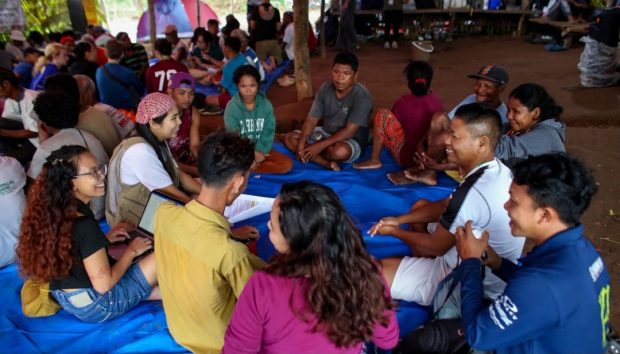
The mission urges the government and the international community to cancel projects that harm residents, as well as to withdraw security forces from peasant and indigenous communities.
The delegates instead urged the government to redirect public funds toward climate‑resilient infrastructure and ecosystem restoration as well as hold corrupt officials and corporations accountable.
“Only by confronting these intertwined threats can the Philippines protect its Indigenous peoples, preserve its environment, and build genuine climate resilience,” the mission concluded. # (Raymund B. Villanueva)